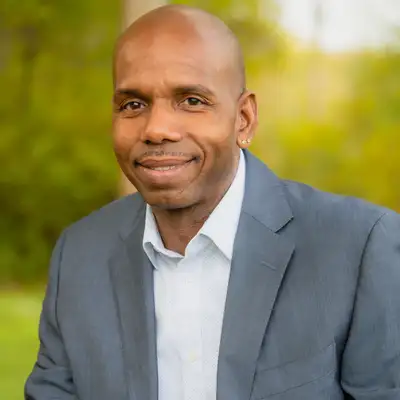
Transitions, Tri-Suits, and Toe Socks: Preparing for Three Disciplines
Download MP3But when we talk about you, you you gotta throw a swim cap in there.
Anthony:We... Listen. The the the triathlons are... Triathletes are like the... Were like the unspoken stepchild.
Announcer:Welcome to Spoke and Sole, a community built around two things that keep us moving, cycling and running. Whether you're chasing miles, hitting new routes, or just out there for the love of it, you have found your crew. We're here to share stories, tips, and anything that keeps us motivated. So lace up, clip in, and let's get moving with your hosts.
Terrance:Welcome back to Spoke and Sole, home of the essential athlete. I'm Terrance here with Anthony as always and today we're gonna try a little something different. So lace up, clip in, and let's get into it. So in the last episode or in one of the previous episodes, you talked about how you wanted to get back into into doing a try. And, you know, it's funny because we were just talking about, Oh my God, and how Father's Day, we would go down there and watch you do your tries.
Terrance:And it was always one phrase that we would always say that I would say and the court would say and the Scott would say is, don't do that swim shit. That swim shit, baby. Yeah.
Anthony:Hashtag think though, shout out to our teammate, Kathy York came up with that. Gotta say,
Terrance:I don't do that
Anthony:swim shit. And she came up with that.
Terrance:She still
Anthony:says that to this day, which is hilarious.
Terrance:Funny thing, funny story. I remember you training for a try and you locked your keys in the car.
Anthony:I'll add God to
Terrance:park too. It was a rental too. Yeah, yeah. Because your car was up at the shop down there in Wakefield.
Anthony:That was a long ass ride home, man.
Terrance:Yeah, see, now listen, if you need a reason not to do a try, that's it right there. You ain't gonna worry about locking your your keys in your car while you're out there swimming.
Anthony:But it wasn't on a swim piece, was on a bike piece.
Terrance:But you went swimming first.
Anthony:I went swimming first. But that was about the preparation piece I should had, I shoulda put it right in my bag like I normally did. But I different keys too.
Terrance:So let's talk about preparation for a second, right? I was just saying how we had these conversations, we talk about one thing or we talk about other thing. In a previous episode, we did a little play on the whole political scene because we're in an election cycle and we had the politicians, the runocrats or the Solecrats, and then we had the Tri Penants. And even in that episode, the Tri Penants got almost no run. When you are training for a tri or you're a triathlete, it's not you're doing one or the other.
Terrance:Are three things you And have to one of those things I don't do, but it requires you to put that swim. I'm gonna tase up too, man. You with that swim cap, you So gotta fit your dress up in that swim cap, let's talk about the, from a mental perspective, because from a physical perspective, you know there's a lot of differences because
Anthony:There's a lot of differences.
Terrance:Because from going from doing one or the other to doing all three, there's a much more physical demand. But let's talk about the mental aspect of this for a second. When you're preparing for a try, it's not a situation where you're preparing for a half or you're preparing for a century. You're preparing to do these three things. And I remember when you were preparing for the Ironman and we had, we did, I think we did 60 miles.
Anthony:60 miles and I had to go and do 11 or 12 miles after.
Terrance:You had to go do a run afterwards. And it rained that day. Put the physical to the side for a From a mental perspective, I don't know if you remember what I said, I said good luck. You listen, I
Anthony:remember that.
Terrance:I was like good luck and I said I'm out. How do you mentally prepare when you start talking about training for Tri- knowing that there's not one discipline, you need to make sure that you focus on three. And then second part about that is you're focusing on three. Are you splitting yourself again, put the physical to the side for a second. Mentally, are you taking those three pieces and you're putting the same amount of weight on those three pieces?
Terrance:Or are you looking at this is my bread and butter, I'm a focus on this and then divide whatever I can to the other two pieces.
Anthony:Well I think to bring it back to the episode that we talked about before about, you know, how you break them down, like the big pieces out into sections, it's similar to that. You know, like we were talking about before in the episode how, you know, if we're running a 12 mile run and we break it down into those sections, it's similar to that. So you have to break them down.: Yep.: You know, and I think, you know, normally, and I can't speak for all triathletes, but for me, obviously I break them down into the sections and I break them down to, you know, what amount of energy and effort has to go into each one of them. Because they're all not equal, you know. And my saying is, I just gotta get out the water.
Terrance:Yeah. Okay.
Anthony:That's, like, for me, I can ride all day, I can run all day, but I gotta get out the water. You know, if I can get out the water, and if I can get out the water, again, I'm never gonna be a fast swimmer. The half iron man, I, I gotta did not finish because I, I think I missed the cutoff time by like four weeks, I'm four minutes for the swim. So you gotta get out of the water then. And again, different skill sets too, you know, when you're out there swimming, you know, and I know I probably don't swim as fast as I could because my strategy is I save my legs.
Terrance:So let's talk about that strategy for a second because this is one of the things that I wanted to get into. Your motto is I gotta get out of the water. Yep. Now, watching you during a try, I noticed something. When it comes to the swim, you let people go.
Terrance:Yep. And then you wait. Yep. And I know that's part of your strategy. Yep.
Terrance:But from a mental perspective, do you say, if I just got in there, I might get out a little quicker. And I wanna relate that to the half Ironman because I wasn't there, but I don't wanna assume, so I'll ask this question, was your mindset the same? No,
Anthony:no, well, first off, reason why I do that is because
Terrance:I know why you do it.
Anthony:Well, the reason why I do it is because the swimming piece, like, you train, primarily you train in the pool.
Terrance:Yeah.
Anthony:And in the pool, it's just you in the lane. Mhmm. But when you get into the water, there's a whole bunch of people and there's a whole bunch of distractions in the sense that, you know, when you're out there, there's people swimming over you, under you, around you, and, you know, that can affect you, which I'll segue to the next one. That didn't hurt me in the half Ironman, because we went through waves.
Terrance:Yeah, okay.
Anthony:What hurt me there, and why I probably didn't make the cut off, is that they had like a little cyclone thing in there where, like, if you get caught in there, you know, there's like, it's like a, it's like going on a rabbit hole. And also, and not to make excuses, but I actually lost my, my watch- Watch, yeah. In the water. So I spent about, and I knew it came off, because I could feel it. Mentally, didn't stay on course with that because I should've just kept going.:
Terrance:Did you find the watch?:
Anthony:No.: No. It was like, fuck, it's $600 down the drain, you know. But I wasted too much time with that between that and then the psych...:
Terrance:The Cyclone.:
Anthony:The Cyclone piece, because I was mad as hell, man. That watch was like, it was like brand new, man. You know, but again, no lessons, no losses, just lessons I learned, you know, with that moving forward, you know, how to do it, but that was the piece that I did that. But I was mentally ready for that. I, and I think with the swimming too is, it's kinda like getting relaxed.
Anthony:Like, that's the toughest part, going into the swim. It's not the actual swim, because like once you get in and you get in the water, and you, you know, you get comfortable, you're okay. Because it's really no different than the mechanics of running, it's just you're swimming. And I, and I swim with a wetsuit, so. So I, I, I got an adult floaty.
Anthony:Yeah.
Terrance:We'll touch on the difference in gear and the cost of gear as lost a 600 watch. So there's another aspect of the Tri that doesn't really play in when you're doing one and that's the transition. And here's the thing that too, so I always, it's funny because anytime I see you running without socks, I'm like, man, how are running with no socks? But that's part of your strategy from that transition perspective. You're in the water.
Terrance:Before you get in the water, it's, I gotta get out of the water.
Anthony:And there's rituals too. Like, and they always say, like, with the triathlons, everyone has, like, I guess their, I guess their superhero status. Oh, you know that. See, their superhero status, the thing that they're the strongest of. So for me, you know, I don't dislike swimming, but it's not my favorite thing to do.
Anthony:Yeah. So, like, have my ritual, before I swim, I always get in the water, I always float on my back and do like, if you've ever been here early, you'll see me floating and I'm just floating. And that if I do that, I know that I'm not gonna drown because... This is... Because you Worst got your case scenario...
Terrance:You just float.
Anthony:I just float. Yeah. You know, and then also sometimes too, if you get tired, can just float. Or if the currents... Because there's a lot of different unknown variables with, with with the swimming aspect that you don't have control over.
Anthony:And not just the people, you know, like, you know, it could be high tide, it could be rough, you know, so... It really is the most unknown thing that, unknown of the sections that you can do because you never really know what's gonna happen in the swim.
Terrance:So from the swim perspective, we'll keep this on the mental aspect of this for a minute. Is it just preparation that gets you to that point? Know that, okay, you said swimming is not your strongest suit. You already know that when you're in there, there's all these factors that you can't control. You already know that there's gonna be people swimming over you.
Terrance:To get you through that, is it just the preparation from the perspective of, all right, mentally walking yourself through, I can't do anything about this, I can't do anything about this. In combination with, all right, those open water swims, taking some of that nasty water That in your water's horrible
Anthony:and that's one, I think it's, that's the one thing I think that running has made me stronger as a triathlete where running those marathons you have to break it down and you see it visually. So my whole thing is I, you know, I'm a visual person, visual learner, so most times when we do whatever those courses are, I have to see it. So I can understand in my mind I can play it out where, you know, I know when I get there it's 200, and I get there it's 300, and I get back, you know. And then I know when I make that turn, it's the end, or it's toward the end, and then I can kinda do what I have to do. And then once you get to that piece, okay, I'm out, and I have to make the best that I can as far as transition.
Anthony:Because transition's a whole different thing where you have to, you know, and believe it or not, the transition is sometimes harder than the actual races because that's when you're going from one section to the other, and then you have, like when you get out of the water, you're dizzy. Like you're dizzy, like you got, like your whole equilibrium, and that's why I think, not even, it's not even really the swim itself, it's getting out of the water. Because once, once you get out of the water, you know, the moving and the water kinda, like you gotta kinda, you know, make the ship solid again, you know, and steady. And that, for me, that's really, that probably is the hardest part of the race. You know, like once you, once I get out the water, if you ever seen me get out of the water, it's, you think I'm rockin' like I do on the bike, but it's really, it's like I'm tryin' to get my equilibrium back.
Terrance:Yeah, the thing about that is, I say you're doing three things, but really it is, it is four. Because the transition, there's
Anthony:There's five things actually, because you got the two.
Terrance:Two transitions. Listen, I'm gonna count the transition as one. Here's why. From a strategy perspective, you know you have to account for those two transitions. So I'm looking at transition and saying, okay, well from a mental perspective, your strategies, you got to account for your swim, you got to account for your run, your bike, you got to account for your transition.
Terrance:Although there's two different transitions, that's still part of the actual strategy. And I'm not going to give you a fifth because again, from a strategy perspective I'm saying I'm
Anthony:because that first one, that first transition
Terrance:It's a different transition.
Anthony:It's a different transition and you're focusing on different things at the different times. Like that first one, the first transition is normally the longest, for me anyway. Yeah. Because like when I get out the water again, first off I gotta get that damn, I gotta get the wet suit off, so that's a whole another, that's a whole another...
Terrance:A physical perspective I'll give you five, but from a mental perspective, I'm still gonna say four. Because physically, you're coming out of the water, right? And your body has to adjust, okay, you just, you use this set of muscles, this group of muscles, and you're coming out. And now you're about to switch. But before you switch, you gotta get, you gotta go through that transition.
Terrance:You gotta get that wet suit off. And then you gotta get your shoes on, no socks.
Anthony:And a rationale behind the no socks too.:
Terrance:Oh no, get it.: a rationale there.: we talking time?: No.
Anthony:For me it's twofold.: It's because, whenever you get off the bike, you gotta run.: Mhmm.: So... One of those two things, if I were technically to put socks on, I'd have to put on a toe socks, and that would be... That would take way too long, you know? I've tried, like the, I think the first couple of ones, tried to use the non toe socks, and I, my feet just feel really weird and and webbed, you know, and it just affected everything so that's why I
Terrance:The crazy thing with that, for those of you you know, if you know toe socks you know what it takes to actually put them on. One of those situations where you
Anthony:know you because I
Terrance:wore toe socks for a while when running, and you gotta, I mean, the toes gotta fit in the right Right,
Anthony:the right hole. And it's a quiet taste too. And actually, I will say, when I got into toe socks, I got into them because I started running the marathons, but, and someone at, again, how you learn about community. So was like, you should try the toe socks, you know, because I would always get the blister on my toes. And I never got them once I started wearing them, and I do not run without toe socks.
Terrance:Okay, so now, from a mental aspect, we talked about those four things, From a physical perspective, like you said, you come out of the water, you just finish using this group of muscles, and now you have to transition and you gotta use it different
Anthony:And the first muscles I normally use, all upper body. Again, shout out to...
Terrance:Is she aint kickin'?
Anthony:Yes, And shout out to Mary I know she was my unofficial swim coach, and she said a couple things I did. This arm doesn't really move that much, don't really get the whole thing, but I really, she showed me the kick thing but I really don't, you know, I don't really use the leg piece because I utilize that more for the biking and the running.
Terrance:So, get your wetsuit off, you get to the bike. From a physical perspective, what's that feel like, right? Because when you separate these things and you're doing them individually, there's process when you first get on the bike. And that process is both physical and mental. You get out, you get your wetsuit off, get on the bike, what does that feel like compared to when, all right, we're going riding, we're gonna be pushing the button at some point, but that's not gonna happen until you get to a particular point.
Terrance:So what does that actually feel like?
Anthony:I think one, you know, the first thing that comes to mind is, you know, you're still a little, you know, you don't, you've probably, I don't, I don't fully have my equilibrium back probably till like the first three minutes of the ride. Like that, that's, like, at that point, like I'm on a bike and I gotta get my equilibrium but then I still gotta hold the bike up. So so for me it's it's, it's more of a gradual transition. I, you know, I don't go balls to the walls. At that point I'm trying to figure out, and it's still wet too believe it or not so you know and your body for me is a little cold so you're trying to get your body warmed up, and your legs warmed up because you haven't really used them so they're really, they're kinda stiff so you're not, actively you're going balls to the wall.
Anthony:But that probably happens probably like the first three to five minutes and then gradually just picking up like after that first probably, probably three, four miles, you know, it's kinda like warm up, like how we regularly would when we ride. And then after that it's just a gradual pickup.
Terrance:So from a equipment perspective, and when I say equipment I'm not really talking about electronics because I believe that whatever electronics that you use on a ride is gonna be already sitting on your bike ready to go. Maybe without the exception of you probably ain't turning on the actual lights.
Anthony:Yeah, no lights.
Terrance:Yeah, you ain't turning on any of your lights. But from an equipment perspective, you're taking off your wetsuit. I'm assuming you're not putting a, well maybe you are, you're putting on a zip up, the jersey or
Anthony:See you that's the great thing about the triathlon, the tri suit's like the best invention in the world. You know, it's just a one piece, you know, it has the, you know, has to bib everything, one piece up, you just strip it off, you're ready to go. Pat, jot yourself down a little bit, you know.
Terrance:Is the cushioning the same?
Anthony:Oh, the cushioning,
Terrance:yeah. You got that question.
Anthony:It's pretty much the same. It's not as heavy because you gotta run, so you don't want the chafing with that, so it's a little thinner, but mainly for the distances that you're doing, but it can get you up to, I used one for a 70.3 too when I was alright. I don't know about a phone. You probably have to get some specialized one for that.
Terrance:So do you prepare any different because, let's say you're going for a long ride, and you know you're going for a long ride, right, you can put some of that shammy stuff on and make sure that from a chafing perspective you're good. But if you're doing a triathlon, you gotta get in the water. Is that gonna wash off or are you Oh yeah, it's waterproof too. All right,
Anthony:all Like that, I mean I use that Gold Bond stuff, oh the Gold Bond friction, you know, use that, you know, and not only just between your legs but like, listen, that chafing on your chest, oh my god, that is brutal, it's worse than running. But y'know, before, that's the preparation, before you get in there, y'know, be- before you start actually, y'know, the prep is, you put your tri suit on, before you put your tri suit on you lube up, you lube the, the Gold Bond fiction on your legs and on your arms so you can get the tri suit on, it slides up nice.
Terrance:Now does that make you faster than the water man? Know, you get that, you got you
Anthony:got the stick on, are you glad? Nah, you know, I don't know because, and again, it depends, like, there's two types of tri suits, wet suits.
Terrance:You can
Anthony:use the ones that are sleeveless or the ones full sleeve. I actually started liking the sleeveless ones better, but I started out with the full ones just
Terrance:because Yeah, remember your full one. I don't know if I've seen the sleeveless one.
Anthony:Yeah, sleeveless ones. But they, you you get that off, you know, and again, it makes it easier when it comes off too.
Terrance:Yeah, okay. So now, I guess I'm gonna make this assumption, when you have the wetsuit on, the tri suit is underneath it, it's dry when you pull it off?
Anthony:No, it's still wet, but the great thing about the tri suits is it's so absorbent. It reminds me of...
Terrance:He said it's absorbent.
Anthony:Oh, is. It reminds me of the shirts that you put us onto, the undercycle, it's Yes. Kinda just like So, you know, again, like once you get into, you know, once you get out the water, you get on the bike, it'll probably take you like five minutes to like fully dry off, you know, and then it's like okay, so then it feels like you're just biking. So that transition with that is, it could be a little challenging too because for a little while you're cold.
Terrance:Yeah, alright. So you're on the bike, you warmed up, What's that? You're done with the bike. You're coming off the bike, right? So you swam, you've done your first transition, you've biked.
Terrance:Is your, well before we even leave the bike, from a strategy perspective, you know your swimming is not the best of the three.
Anthony:Oh, sucks.
Terrance:What's your goal on the bike? Is it to make up as much ground as possible? Is it to first, obviously I wanna make sure I got my equilibrium, my stay up on this bike, I wanna get to the point where I feel good. I know I got this run coming up. Am I making up as much ground as possible?
Terrance:Am I being, when I say I mean you, are you strategic from the perspective of, you know what, I got, you know how when we ride, you save it for the last 10 miles.
Anthony:That's actually, see that, and that's actually I think, I wanna say that that's probably one of my downfalls is that my strategy as a triathlete carries over into all those things eventually. I will say I will own that. I'll take accountability for that.
Terrance:I had a suspicion and that was the case and that's why I'm asking this question because it's different like I said, when you're doing one thing, you're doing one thing. But when you gotta do three, you gotta account for, hey listen, after I get out of this water, I gotta bike. And after I bike, I gotta run.
Anthony:So during the biking piece, the biking piece, and I'm always strategic too, because I always understand that like you, in triathlons, you have to have enough to finish. Yeah. Like you have to have enough. And if you go all out in any of the particular ones, you're gonna bomb. And if you're gonna save one to go all out on, it should be the run, because that's the last piece.
Anthony:And that actually, when we talked earlier about the superpower, my superpower happens to be the Achilles for most triathletes, because most of them cannot run. So my whole thing is during the ride piece, as long as I can be a little bit above average, I'm good. I mean, even if I, if I'm at like 17 ish, 16 to 17 ish, which isn't hard during the race time because your adrenaline's running, but I mean, there's been times that I've been going faster, had to be like, yo, you gotta pull back because, you know, you gotta get off air and you gotta run, you know, 3.15 or even six if I did an Olympics. So, strategically thinking, okay, I'm going to warm up. So that's like the warm up or the dress rehearsal for the run.
Terrance:For the run.
Anthony:And normally, normally I think the sprints are normally like about 15 miles ride. So, zero to five, it's probably like won't get your equilibrium back. Five to 10, you know, we're cookin' a little bit, 10 to 15 is like, you know what your body feels so, like, at that point, I'm a push the button for the last, you know, for the last ones right there, which is what really, which is what I do,
Terrance:and listen to this.
Anthony:And normally if I can do, if I can push the button and I can get to the next transition a little faster, it actually helps because, and I always tell people, which is why I really love the triathlon pieces that, you know, it helps with the run. Like, like I've never, like off the, and and and if you think about it too, even not for the race piece, when we ride and sometimes I'll run after, like I'm suit, like I'm amped by the
Terrance:I I'm off
Anthony:the bike, I'm like my legs are warmed up, which is different from just strictly running, because running, it takes time for your legs to get warmed up. So my legs are already warmed up. So by the time, you know, we get to that transition, I'm good. Like, the transition to the bike, I already pushed it, but then I gotta calm down a little bit to get into the transition. And the second transition's easier because all you do is you rack your bat, you rack your bike, and then all I do is I just take off my, you know, take off the biker shoes, I ain't gotta put on no socks.
Anthony:You know, normally I got a little baby powder in there, that's another trick, I did a little baby powder so it could soak up, you know, whatever sweat, those on. Sometimes I'll run with the music, I'll throw my music on, you know. But actually, most of the races over the Olympic, you know, I don't really use those, but I'll get that, and then I'll go into the last piece.
Terrance:So two things. One, I'm gonna get to a second and that's your preparation for that last transition to Brick. But the other one was more of a question and I think this is the case. So a lot of times we go out, we ride. I always say, listen, you gotta get on the wheel, you gotta draft.
Terrance:You know what I mean? That efficiency, you gain that 30 to 40%, you know what I mean? If you can draft really well. My understanding is that I could be incorrect. I don't believe they allow you to actually do that in a try.
Anthony:And why you'll see a lot, like when we do the riding, a lot of times I won't draft just because like, you gotta, you know, you technically can't draft. They do, but, and it's so crowded too that I wouldn't. You know, some people do it, illegal, but I don't, you know, because I know I gotta push it, so, that's why. But I'll, and again, I know you're gonna bring it up, but I'll also say that too. That's why with the the time frame stretching out, that's why I normally push the button toward the end because
Terrance:Yeah. I'm
Anthony:trying to I'm trying to get my legs, like, fully primed so when I get on a run.
Terrance:Alright. So that last transition, going from the bike to the run. This is your bricks, this is where you do your preparation, these brick workouts and I imagine it's because at that point you're getting off the bike, your leg feels like a ton of bricks, You gotta be able to actually move those. So again, you did use your legs on the bike, but running there's different portions of your legs that you're actually going to use.
Anthony:Yes.
Terrance:What's that feel like when you first get off and what's your goal from a time or distance perspective to adjust so you can now finish what your... I would imagine that you'd probably say is, well I don't know if you would say this or not, if your running was the strongest piece or you know you're stronger running than some of the other ones. What's your goal or what's that timeframe where you feel you adjust, where you're now to the point where, alright, I'm gonna finish strong with this run?
Anthony:Well, definitely is my strongest piece. But I will say, I'm torn with that because...
Terrance:Your cycling game is
Anthony:good, Because, because us all riding has gotten, like my cycle game is, like, it's solid. Mean, I'm not winning no crits or anything like that, but, you know, I can easily put, you know, what we do, I mean, I really wanted to push toward it, I could push 18, maybe 19, if I wanted to for 15, you know.
Terrance:Yeah.
Anthony:Or at least average 18.
Terrance:The the the thing with that is this, and I'm gonna address you on this, you underestimate yourself when it comes to the bike to a detriment. And what I mean by that is... I I own that. What I mean by that is when you're not looking at the gadget Yeah. And we're riding and you're on my wheel.
Terrance:I tell you, there are times when we hit 24, 25. Now we're not maintaining that throughout the entire forty, fifty miles, but you don't realize it and you're not gasping, right? It's... You're not even thinking about it.
Anthony:And I'll bring... I'll own that and I'll also say too, you know, when you talk about the mechanics of it and I think when you talk about... And I think, again, that's what... Me personally, I've gotten a chance to grow as a cyclist, and actually I'm probably a better cyclist than I was when I was younger just because, like you said, you know, us the mechanics about, and you always talk about that, the breathing, about the cadence, those type of things, and I think, I know we're ending the outdoor session at some point, but for next year, what I learned this particular season was to be more, and you said it, to be more free about the cycling and not worried about the gadgets. And I will definitely, and I agree that, because once we've done that, I know a couple of rides that we rode, I was surprised.: Yeah.: You know, when we were just out there riding, having fun, and you're like, Oh yeah, we were doing 20, and I'm like, 21, 22, and I'm like, I wasn't really paying attention because like you said, I...
Anthony:And maybe sometimes I put a ceiling on it because I'm like, when I... I'm not supposed to be riding that So maybe
Terrance:Do you're right about you remember, it was Me, You, and He Who Shall Not Be Named, but was a group ride and that group ride was, it was crazy because so many different things happened and so many different groups broke up and got separated and it was the three of us and we were just riding and we weren't telling you what the average was, but you kept saying you couldn't do this, that and the other. And this was probably like two years ago.
Anthony:I don't know exactly And what
Terrance:that ride, you averaged 17, which you said, Oh, well, it was either 17 or 18, you was like, Oh, well, yeah, I'm not gonna be able do that. But...
Anthony:I remember that. And again, and I think the progression too, like you learn, and I think that's what's amazing about the sport of cycling, running, that, like you learn. And I think, it's been very exciting for me as a maturing athlete to get better with time versus, you know, not just relying on athleticism, relying on, you know, the physics of it and, you know, the structure of the sport and not just, I'm just gonna go in, I'm just gonna pound it. Which is what triathlon, you know, what the triathlons do too. Because once you get into, you know, that run, it normally takes about, and it does feel like bricks.
Anthony:The first, oh man, the first like half mile is like brutal. Because, and you know, the cycling piece is the outside of your legs.: And then the running piece is the inside, the, the, the backside of your legs, so they're both, they're, they're fighting with each other. And I think that's how you go with the bricks. But I've actually learned to love it because, and that's why I try to do it spontaneously when we ride, because the more you do it, the more you get used to that feeling.:
Terrance:Yeah, And the
Anthony:less time it takes for you to, to kinda get converted to it. So now it's to the point where, it probably ta- it used to take like a half mile, maybe like three quarters of a mile. Now it's it's it's like, I've actually gotten it down to like a quarter mile, like it's a quarter mile like it hurts. And then after that it like kinda flushes out. And then from that point of it, I say, okay, you know, once it's warmed up, not from a BRIC perspective but from the Triathlon race perspective, then I go into what we do.
Anthony:Like, I'm a pick them off, hunt them
Terrance:down.: Yeah.:
Anthony:So then, and honestly, like the mentality piece of it is, I'm like a predator out there. Because in my mind, I'm still, like, even though I know I can't swim, you know, and again, I probably shouldn't say it because it is a community but in my mind during the race period I'm like, because mind you, when I'm getting out the water I'm seeing some of these people on the bike and they're like clapping me on, cheering me on, in my mind I'm like some petty shit. Like some, you know, like some petty shit. So in my mind, I'm like, Yeah, I'm a see you on
Terrance:Yeah, I'm see So you on
Anthony:during the bike time, the bike frame, the bike portion of it, even at, and again, I never, like, and it's funny because I ride faster during the races, but I can, I normally average like 16.5, which is crazy because when we ride together I'm like, can't do it, which is dumb? But, even if I average at 17, I'm catching a lot of them.
Terrance:Yeah.
Anthony:Or some of them, and then by the time I'm out there on, when I get back into the run, like it's three and a half there. I mean, in theory, even now, I mean, race time, I could get a nine fifteen, even a nine, like so many were between nine and nine thirty, they're at twelve, twelve ish, 14, you know, on three and a half miles that's a long time. So, so I'm just, my goal at that point is I'm catching everybody I can catch.
Terrance:So this is where the, your mental game has to be strong and you have to, this is why I wanted to separate the physical from mental because like you said, when you come out of the water, you see people on their bikes and they're clapping for you. And you feel like it's pity, it could be they'd like, you know Oh,
Anthony:it it it... Again, I'm not saying it's pity. It it it is the sportsmanship of it where everyone is, you know, but as a competitor, you're like, nah son, like nah. Again, because you're your own worst critic because you understand that that's not my...
Terrance:I think there's two parts, right? From a competitive perspective, you're like, yeah, nah, son. But from a strategy perspective, you expect that. And you have to say, okay, well, know what? I'm okay with that.
Terrance:I'm not worried about that because I already know what my strategy is. I know that now I'm coming up on my strengths.
Anthony:On my strengths, yep.
Terrance:And I'm gonna be able to make up that ground from, you know, coming out of that water. So two things. One, I'm gonna ask you a question. And then after that, two, we're gonna finish up. But I...
Terrance:I've come up with this concept that I wanna do pretty much the end of every episode, and it's called the final sprint.
Anthony:Okay.
Terrance:First question. Well, first, the question. Yep. What do you identify as?
Anthony:Okay. An athlete.
Terrance:Okay. That's, I mean, that's a good...
Anthony:This is an athlete.
Terrance:Now, let me switch the question because I love that answer, but I'm gonna switch the question. You could only pick one, what would it be? Running. Running?
Anthony:Listen, I tell people all the time, running has always been my first love because running brought me to all those other different things.
Terrance:Yeah, that's true, that's true. And think, for me I think, I don't think that there's, for me, I don't think there's anything that is more, I'm not gonna use the term gratifying. Challenging. Gonna use the term, I don't think that there's anything that provides me more release. Because when I'm running, there is nothing else.
Anthony:You're free. And I will be with that a 100%, and I think that's one of things I tell people, is, from a running perspective, and and even with certain things, when you think about the triathlete piece. Yeah. I mean, I'm swimming, but I have the wetsuit. I'm biking, me I'm and my son are talking about biking, but the bike is pulling me.
Anthony:Running is the only sport that you have to pull your own, you have to pull and carry your own weight. Yeah. And that is tough. I don't care how... I don't care how large you are, I don't care how small you are.
Anthony:You know, to be able to carry your weight and pull your weight, you know, whether it's uphill, downhill...
Terrance:There's a purity there.
Anthony:Yes. It will humble you.
Terrance:Yeah. And on top of that too, it's one of those ones where from a entry perspective, it's the least restrictive. You get you a pair of some shoes and that's it. So let's get to the final sprint here. You got forty five minutes to train.
Terrance:What you doing?
Anthony:All three.
Terrance:All three, forty five minutes?
Anthony:All three, I can break it down for you.
Terrance:Go ahead,
Anthony:break it
Terrance:down, break it down.
Anthony:My swim, and again, we talked before about how, like, as a mature athlete, I think now it's not more about what you do, it's about what those, the focus things on what you do, you know.
Terrance:Minimum effective dose. Yes,
Anthony:yep, maximize. Again, I can't swim,
Terrance:so I mean. Oh, love the triad, listen, I can't swim.
Anthony:Fourteen minutes on the, let's say fifteen. Fifteen minutes will get me 500 yards. On the bike, fifteen minutes will get me five miles. And then, what, fifteen minutes will get me a mile and a half.
Terrance:Okay.
Anthony:And then that way, it's right across the board, I get a full body workout.
Terrance:So this next question, if it was a different time, think your answer would be different, but I'm gonna ask it based on today.
Anthony:Okay.
Terrance:You can answer however you want. It's pouring rain. Yeah. A nice rain run or a swift?
Anthony:Rain run.
Terrance:Rain run?
Anthony:And I'm a tell you a story, how the core of who we are never changes.
Terrance:And
Anthony:True again, I tell people, you know, experiences, they shape you. I was, we talked about it before I ran the Boston Marathon and it rained that entire time, so there's a memory attached to that. And also, when we as, when we were all doing those things, nothing stopped the run.:
Terrance:Nothing stopped It the run,
Anthony:happened to be last week's run, getting ready and it starts raining. And I'm like, it was a run day. And I could've made it another day, I'm like, you know what, this is who we are. Like, you know, and also taking in the gratitude that, you know, how grateful am I that I still can run, you know, and knowing that, I mean, I'm assuming that I might, but there may be a day that I can't, so whenever I can, you know, at some point, and again, and I started thinking about next season, because next season I am, I'm gonna reenter, I'm gonna re enter the triathlon And I have to switch my mind going back to what it used to be. And with that, I'm like, like, at some point you're like, you're gonna be back into this world and you need to get into it now.
Anthony:So it was a combination of things, so I went for the run and it was crazy because it was lightly raining and by the time I got back, it was pouring. And shout out to road races too, because I ended up, I was like, you know what, I'm a come prepared. So I grabbed the, the yellow highlighter.
Terrance:I love that.
Anthony:Threw the yellow highlighter I wanna
Terrance:tell you something. So I don't get enough opportunities to wear that. I think that is so fire. I think it is so fire, I but don't get enough opportunities actually. I'm gonna tell you what I love, what I just heard.
Terrance:Always talk about discipline and dedication, but what I heard from you a second ago was discipline and appreciation. Yes. Appreciation for the fact that I'm able to run right now.
Anthony:Gratitude.
Terrance:I don't know what I'm gonna, if I'm gonna be able
Anthony:to Gratitude.
Terrance:Listen, yeah, that's
Anthony:beautiful. And even beyond that with what we all do, like, and I tell people like, like, we've all, like, we're accountability partners, but we're also people, our collective.
Terrance:Yeah.
Anthony:Me, you, Cord, all of us, we keep each other accountable, you know, where, you know, I'm learning from you, I'm learning from Cord, we're learning from each other, but we're also making each other rise to whatever the highest potential that we can be, what we have at this point. Yeah. And I'm grateful for that because, you know, a lot of people don't have that, you know, and I think, and it speaks to what we're doing here for Spoke and Sole, where if you have that, to be grateful for that, and to be appreciative for that, because everyone doesn't have that. I can, and I tell, me and Court talk about that a lot of times, because I tell them, I'm like, I'm very grateful for that, because every now and then, your discipline may wane, and your motivation may wane, but if I got someone like yo, like, at some point, and I'm even ashamed that I even told you because now I gotta hear this stuff for the next winter season when I'm not on Zwift, and you're like, Yo man, you said you're going back to Triathlon World next year, you gotta do that.
Anthony:But showing gratitude, and I think that's a big thing that we should do more of, know? Yeah. Gratitude for the things that we have around us. So...
Terrance:What... For you, what's physically harder? Right? A fast... And I'm gonna say...
Terrance:I'm gonna bring it down to a five ks because that's one of the things that we hadn't done a lot of. We run many 10Ks. It's either half marathon, marathon, five ks. A fast standalone five ks or the first three miles of the bike during a triathlon.
Anthony:Oh, the first five ks, I mean the five ks race.
Terrance:That's the, that right that you faced It's
Anthony:way harder. And it's way harder because, like, I always tell people, like, why I hate five ks's is that, and I didn't never, I didn't always hate them, but once I started doing triathlons I hated them because the triathlon spoils you where you got a chance to warm up and kinda get your body right. I can't do that in a regular five ks. Well, you can. Well,
Terrance:no. Did you see? No. The warm up is, so your body might not be as warm, if you, I mean, you get those, that mile, two miles in before
Anthony:But that's even with that, it's still tough because from a mental perspective.
Terrance:Yeah, all right. So last question of this final sprint. All right. During a brick, what fails you first? Your lungs or your legs?
Terrance:Neither.
Anthony:Neither. On a brick workouts, the lungs never really fail you because you're transitioning on and you, and I tell anyone this.
Terrance:I'm a phrase it differently because here's where I'm going with this or here's where I know we're going with this. Preparation is gonna put you in a position, right? Which is working harder during your break? Your lungs or your legs?
Anthony:Legs.
Terrance:The reason for that is when you start looking at, okay, well in order to do those three from a cardio perspective, you gotta be there. Even if let's say the swim took you extra long or if the bike took you extra long or because you're whatever, but from a cardio perspective, you gotta be able to actually get through that, From the leg perspective, whether it be your calves, your quads, whatever, at some point you're gonna reach that point of exhaustion where you might still have the cardio there, but from a physical perspective, you might not be able to actually to get that done. I like this man, I like this, right? So this was an opportunity to actually go through your mind and talk about that whole Tri- piece, looking at it from both the mental perspective and the physical perspective and to prepare you for next year for you gotta actually get ready for, man. No, I think that that was great information.
Terrance:I think it was insightful and I think it gives you an idea of what you actually have to prepare for next year. And I think one of the interesting pieces about this, and this is what I learned from you during this too, is you really gotta plan for those actual transitions. And you've gotta think about them from, at least from a physical perspective, as being separate. When you talk about that triathlon, it's not just swim, bike, run. It's swim, transition, bike, transition, and then actually run.
Terrance:And I think that's good information for those individuals who haven't had the opportunity to run a triathlon, something for them to actually get their mind wrapped around.
Anthony:And before you end, too, I wanna also thank you too because I think, again, we're living in the purpose and the mission statement of what we're saying we're doing from Spoke and Sole, even though, you know, we have that third piece, this gives a good opportunity for us to bring in, you know, our Tri brothers and sisters, you know, who obviously are runners and bikers also, and so that they can feel like they kinda have, a home as well that's not just strictly, you know, for triathletes because I think sometimes too, from the three sports in general, I think sometimes we get stuck in those silos where you have that running community, that fighting community, the triathlon community, and how sometimes, like we talked about in our last episode with the, regarding the politics, sometimes they cross over and we all have commonalities, which we're athletes.
Terrance:Yeah, and I think the beauty part about building a community is you start somewhere, right? But ultimately, who we are, what we experience and what we enjoy, it varies. And there's nothing to say that it can't expand out. But having something where you can start from somewhere, and You can start from somewhere and at some point you can say, hey listen, I might just bike a little but my thing is hockey. We're not gonna say, hey listen, get out, take your puck with you.
Terrance:But again, it's always nice to have something that you can feel at home with. And if you enjoy playing hockey and you feel at home with runners, cyclists, and people who put those swim caps on your head, the actual opportunity for you to actually take advantage of that. Before we end, I just want to remind everybody to hit that like button, subscribe, press that notification. And remember, you can find Spoke and Sole on all social media. The audio version of this podcast is available on Spotify, Apple, what's the other one?
Terrance:Amazon. Amazon, yeah. Yeah. So with all that being said, keep those wheels spinning, keep those wheels turning, keep those feet moving, we'll see you on the road.
Creators and Guests