Master the Start Line: 3 Tips to Survive Your First 5K
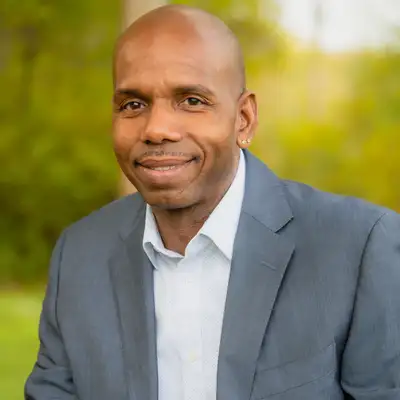
Download MP3What's good, everyone? This is Terrance from Spoke and Sole. We're just getting things moving. We got a lot of stuff in store for you guys. So if you wanna be part of the community, please be sure to subscribe, hit that notification bell so we can keep you up to date on everything we got going in the draft.
Terrance:Thanks. We'll see you soon.
Announcer:Welcome to Spoke and Sole, a community built around two things that keep us moving, cycling and running. Whether you're chasing miles, hitting new routes, or just out there for the love of it, you have found your crew. We're here to share stories, tips, and anything that keeps us motivated. So lace up, clip in, and let's get moving with your hosts.
Terrance:Signing up for your first five k is a massive win. Congratulations to you. But the starting line can be a bit intimidating. The noise of the crowd, that electric atmosphere, it could really swoop you up. If you're not careful, your victory lap can turn into a panic attack.
Terrance:So today, I'm giving you three tips to help you survive your first five k and turn that into a memorable experience. So lace up, clip in, and let's get to it. Before we get into what we're gonna cover today, make sure you hit that subscribe button and press that notification bell. If you're listening on the go, be sure to follow Spoke and Sole on Apple Podcasts, Spotify, or your platform of choice for audio podcasts. As always, thank you.
Terrance:Now let's get into it. Welcome to Spoke and Sole, home of the essential athlete. I'm Terrance, and I'm back with another solo sprint. Today, we're talking about surviving your first five k. Now, before we get into things and break down the execution, understand this, your first five k isn't about setting a world record.
Terrance:It's about executing habits you've already built. It's about minimizing variables so you can focus on the movement. And it all starts with our first rule, the golden rule. And it's simply nothing new. Let me explain what I mean.
Terrance:You spent weeks training, building habits, and now you're ready for this race. Temptation may lead you to now go and buy a nice new fancy pair of shoes in celebration of all the training you've done, try some new carb loading. You don't wanna do any of that. Race day is not an experiment. Again, it's about executing those habits that you've already built.
Terrance:This is where the nothing new comes in. You wanna keep things just the way they were while you were actually training. So if you haven't trained in it, don't wear it. If you haven't used it for fuel during your training, don't use it. I'm talking about wear the same shoes, whatever you've been using from a fuel perspective, using the same fuel, even down to the same socks or the type of socks you use during training.
Terrance:You wore the socks the day before, don't wear them again, wash them at least, but you get the picture. I'd even go as far as to say, eat the same breakfast that you were eating during training. The goal is to keep the environment as familiar as possible to avoid any equipment issues, more importantly, any stomach issues. Once you've settled in with your familiar gear, your biggest threat isn't your physical fitness, it's your brain. Once that gun goes off, your brain can easily trick you along with the atmosphere to running much harder than you actually should.
Terrance:And this leads me to my second point. And that second point is this, master the start line adrenaline. When the gun goes off, the crowd is going to surge and you can easily get caught up in the energy of the actual pack. Don't do it. Consciously hold yourself back that first mile.
Terrance:You're gonna feel like you have unlimited energy, but you wanna bank that for the final mile. And again, it's about surviving your very first five ks. You may have some goals that you're trying to reach and you'll get to them, but you just don't wanna burn yourself out taking off at a faster pace than you normally would by getting caught up in that energy from the actual crowd. Tell yourself to start slow. It's actually easier to speed up as the actual race goes on.
Terrance:This will also prevent you from blowing your legs out in the first five minutes of the race. Now, if you successfully range your pace in, the next challenge is gonna happen probably around the halfway mark. This is where many first timers hit that mental wall and give up. And this is exactly why you need a strategy to deal with any fatigue that might come on. And the solution?
Terrance:The walkrun method. There is a common misconception that you must run every step of your five ks, but that's not the case. The walkrun method is bulletproof and there's no shame in it. Again, the goal is to finish what you start. There is zero shame in walking intervals.
Terrance:It's a completely valid strategy and used by many people running their first races. I've even used it in a half marathon after coming back from a two year layoff. The beauty of it is this, it allows you to manage your heart rate, lower your core temperature, and finish the race strong. If you need to walk at mile two to make sure you finish the race strong, take that break and walk. So let's recap everything.
Terrance:First, tip number one, on race day, nothing new. You've gone through your training, you have your actual execution plan, you have your routine, stay familiar, keep those things that you've already used during your training to make sure you can successfully get through that actual race. Tip number two, make sure you master your adrenaline at the start line. Don't let the flow of the crowd suck you in and pull you out of pay at a pace that is not gonna be conducive to you actually finishing the race. And finally, tip number three, the run walk method is a bulletproof method to make sure that you're strong enough to finish where you need to finish at the end of the race.
Terrance:There's no shame in it, people use it all the time. So let's wrap up. Training for a five ks while managing family and a career is a massive win. You've done the work. The day of the race is just when you execute the actual plan.
Terrance:These three tips are gonna help you stay on track and get you where you need to be, and that is to the finish line. So until next time, keep those wheels turning and those feet moving. We'll see you on the road.
Creators and Guests